
PROGRAM NOTES
Pines Of Rome
by Ottorino Respighi
arr by Jacco Nefs
I. The Pines of the Villa Borghese
II. Pines Near a Catacomb
III. The Pines of the Janiculum
IV. The Pines of the Appian Way
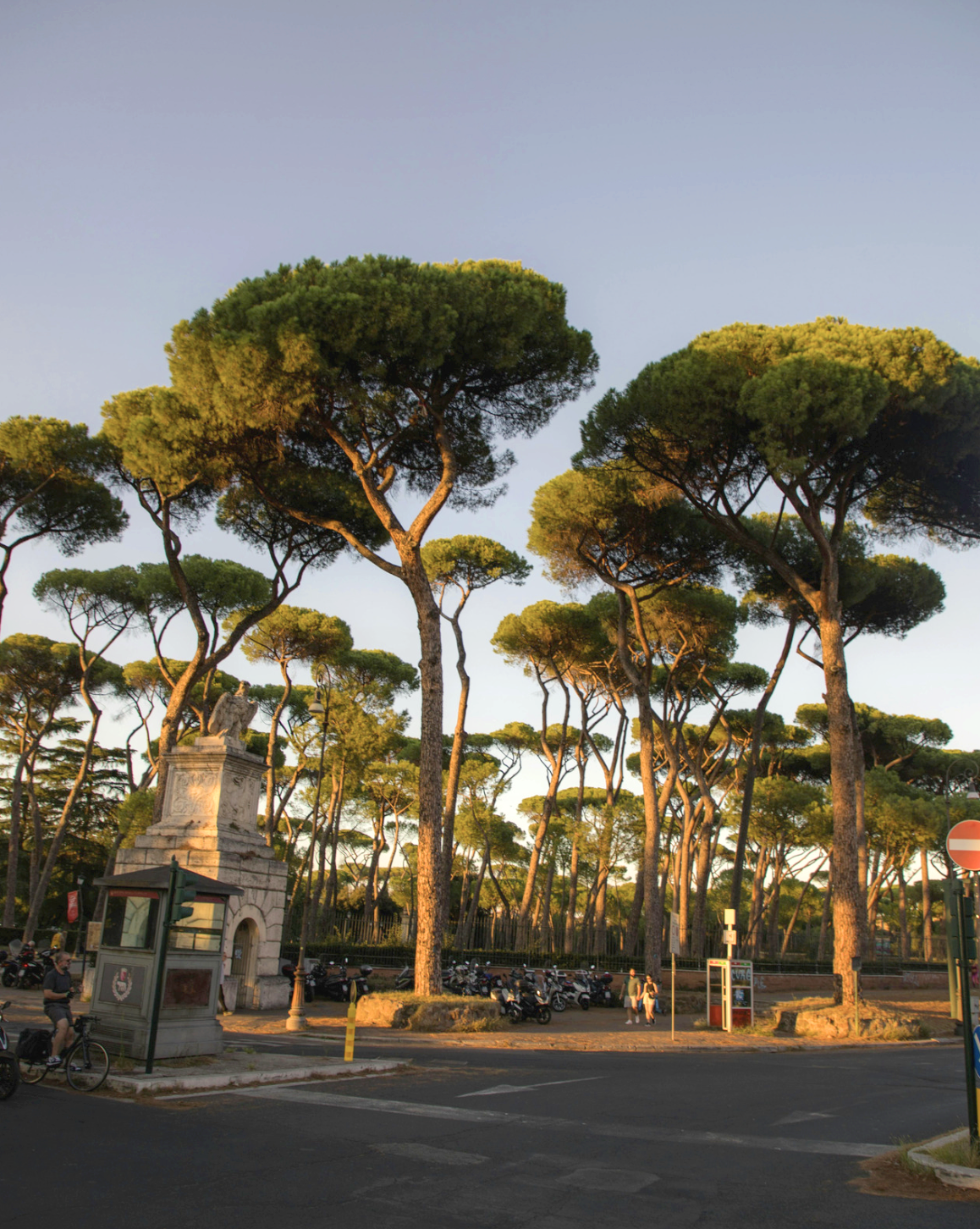
Pines of Rome (Pini di Roma) is the second of three tone poems written by Respighi between 1917 and 1929. These tone poems are the most well-known works in his oeuvre. Pines of Rome combines his skill for colorful orchestration with his interest in early music, particularly medieval music and folk songs. This work is based on children’s folk tunes, which he learned from his wife. Premiered on December 14, 1924, at the Teatro Augusteo in Rome, Pines of Rome initially received boos and hisses from the audience at the end of the first movement due to its “discordant trumpet writing,” and the nightingale sound at the end of the third movement wasn’t appreciated much either. The rest of the piece was well-received, rewarded with a standing ovation. The work was premiered in the United States by Arturo Toscanini in 1926 and has since become a staple of the repertoire.
In four movements, Respighi notates specifically in the score how he envisioned each movement. He offers the following:
I. The Pines of Villa Borghese
Children are at play in the pine groves of Villa Borghese; they dance round in circles. They play at soldiers, marching and fighting, they are wrought up by their own cries like swallows at evening, they come and go in swarms.
II. Pines Near a Catacomb
Suddenly, the scene changes -- we see the shades of the pine trees fringing the entrance to a catacomb. From the depths rises the sound of a mournful chant, floating through the air like a solemn hymn, and gradually and mysteriously dispersing.
III. The Pines of the Janiculum
The third is a nocturne set on the Janiculum Hill and a full moon shining on the pines that grow on it. A quiver [piano] runs through the air: the pine trees of the Janiculum stand distinctly outlined in the clear light of the full moon. A nightingale is singing.
IV. The Pines of the Appian Way
Misty dawn on the Appian Way: solitary pine trees guarding the magic landscape; the muffled, ceaseless rhythm of unending footsteps. The poet has a fantastic vision of bygone glories: trumpets sound and, in the brilliance of the newly risen sun, a consular army bursts forth towards the Sacred Way, mounting in triumph to the Capitol.
Ave Maria From All Night Vigil
by Sergei Rachmaninov
arr. by Michael Hardy
Dr. Matthew Lamm, Guest Conductor
Rachmaninov composed the All-Night Vigil in just two weeks in early 1915, at a moment of deep national anxiety during World War I. Although he was not personally devout, he held a profound admiration for the musical heritage of the Russian Orthodox Church, and this work stands as one of his most radiant tributes to that tradition. The Vigil—often referred to as the “Vespers”—is a 15-movement a cappella masterpiece for mixed choir, blending ancient chant, rich harmonic writing, and Rachmaninov’s unmistakable lyricism.
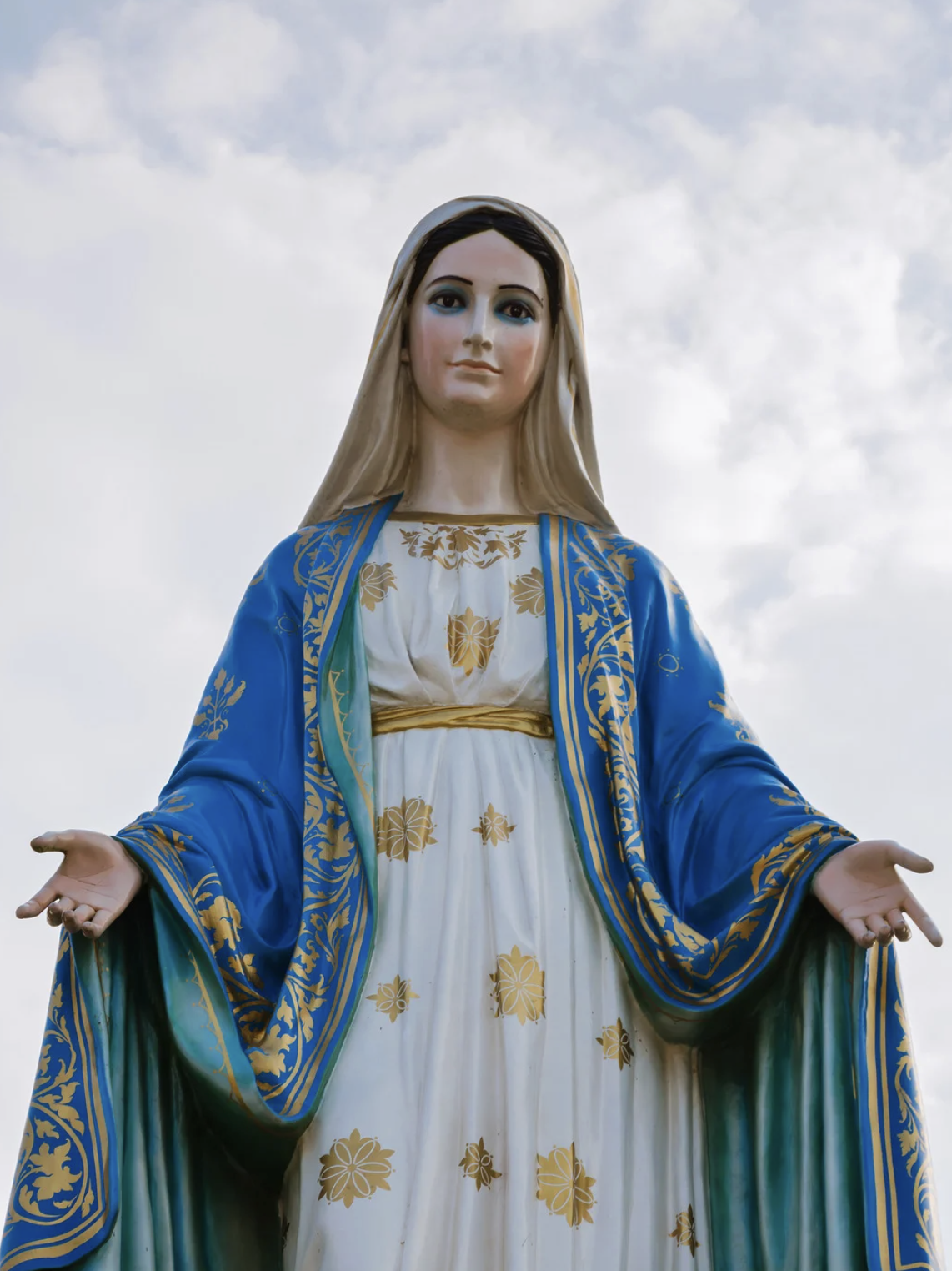
“Ave Maria” is the sixth movement of the cycle and is better known by its Church Slavonic title, “Bogoroditse Devo, raduisya” (“Rejoice, O Virgin Mother of God”). Unlike several other movements in the Vigil that draw explicitly on traditional znamenny or Kiev chant, this movement is entirely Rachmaninov’s own melodic creation. Its clarity and directness set it apart: a brief, prayerful outpouring of devotion marked by luminous harmonies, gentle rhythmic propulsion, and a sense of humble joy.
The music begins in quiet supplication, the voices moving with speech-like naturalness that mirrors the simplicity of the Orthodox prayer. As the text turns to the plea “for thou hast borne the Savior of our souls,” the sonic palette expands, culminating in a glowing choral climax before sinking back into reverent stillness. The effect is both intimate and transcendent—an affirmation of faith expressed with universal emotional appeal.
Today, “Ave Maria” from the All-Night Vigil is one of Rachmaninov’s most frequently performed sacred works. Its accessibility, spiritual warmth, and exquisite choral craft make it a beloved centerpiece of concert programs and worship services alike.
Symphony For Band
by Morton Gould
I. Epitaphs
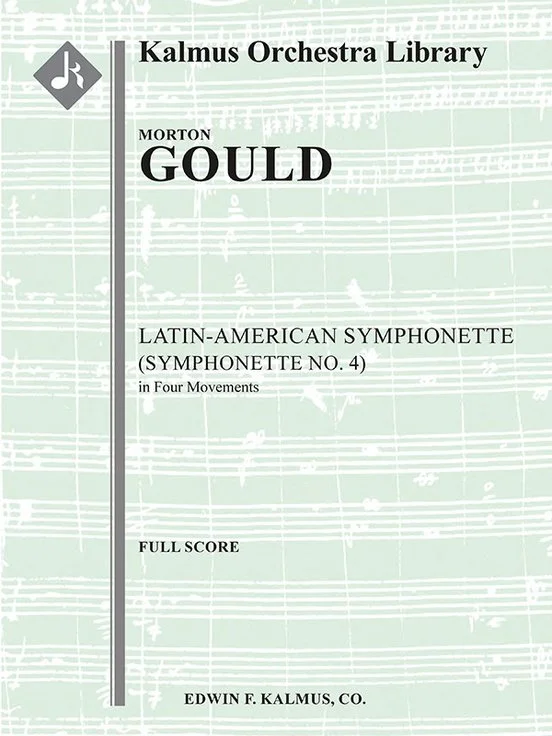
Gould's fourth symphony was composed for the West Point Sesquicentennial Celebration, marking 150 years of progress at the United States Military Academy. One of the first landmark symphonies composed specifically for wind band, Gould's Symphony No. 4 is a two-movement masterwork. Gould employs both traditional and modern techniques, adeptly changing colors and styles to engage the listener. He even calls for a marching machine in the first movement.
The first movement, Epitaphs, is both lyrical and dramatic. The quiet and melodic opening statement of the main theme leads directly into a broad and noble exposition of one of the motifs, becoming a passacaglia [a musical form based on continuous variations over a ground bass] based on a martial theme first stated by the tuba. After a series of variations that grow in intensity, the opening lyricism, combined with the passacaglia motif and an allusion to Taps, makes a quiet but dissonant closing to the first movement. “The second and final movement is lusty and gay in character. The texture is a stylization of marching tunes that parades past in an array of embellishments and rhythmic variants. At one point, there is a simulation of a fife and drum corps, which, incidentally, was the instrumentation of the original West Point Band. After a brief transformed restatement of the themes in the first movement, the work finishes in a virtuoso coda of martial fanfares and flourishes.
Aurora Awakes
by John Mackey
Aurora now had left her saffron bed,
And beams of early light the heav'ns o'erspread,
When, from a tow'r, the queen, with wakeful eyes,
Saw day point upward from the rosy skies.
- Virgil, The Aeneid, Book IV, Lines 584-587
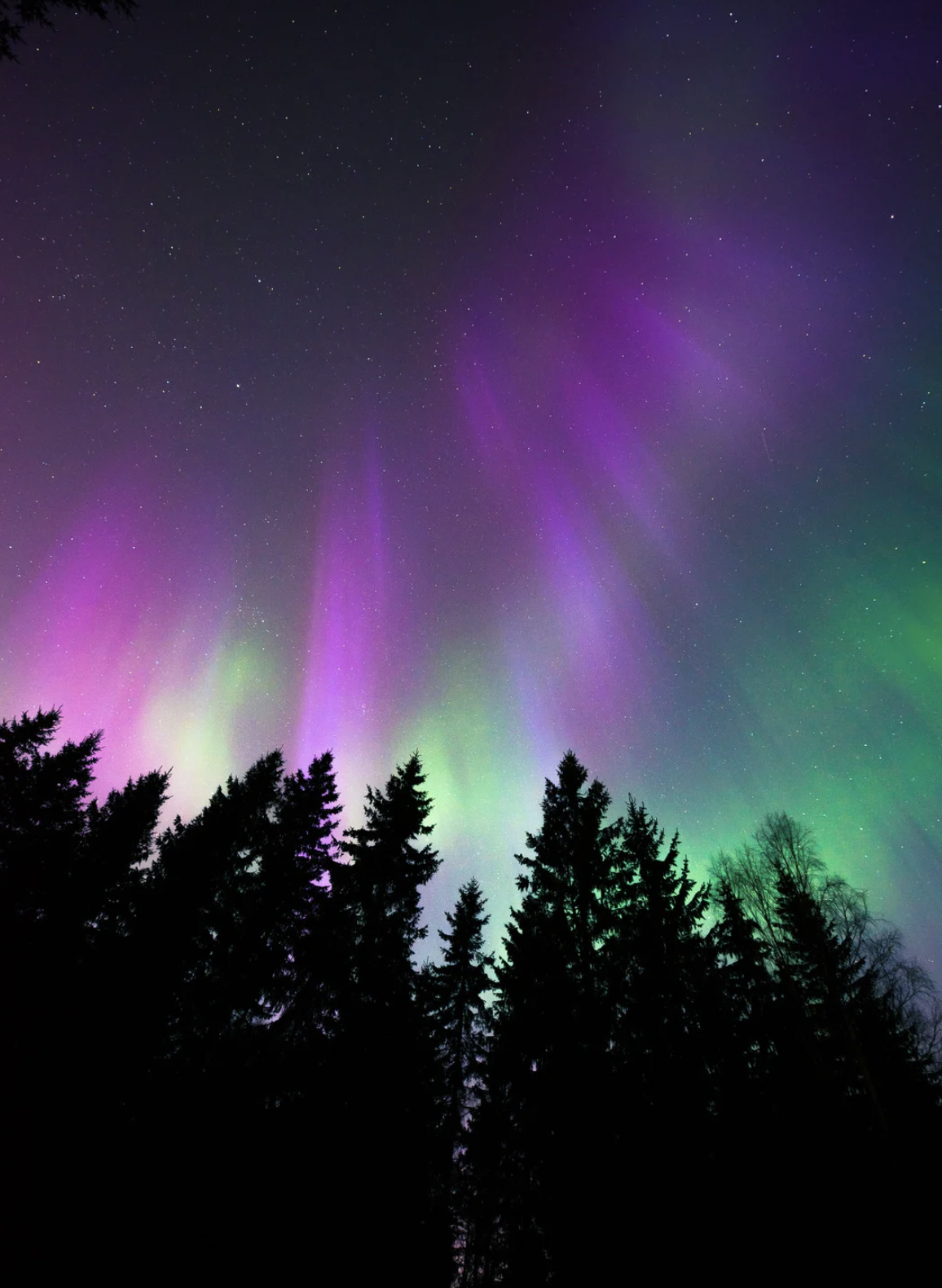
Aurora – the Roman goddess of the dawn – is a mythological figure frequently associated with beauty and light. Also known as Eos (her Greek analogue), Aurora would rise each morning and stream across the sky, heralding the coming of her brother Sol, the sun. Though she is herself among the lesser deities of Roman and Greek mythologies, her cultural influence has persevered, most notably in the naming of the vibrant flashes of light that occur in Arctic and Antarctic regions – the Aurora Borealis and Aurora Australis.
John Mackey’s Aurora Awakes is, thus, a piece about the heralding of the coming of light. Built in two substantial sections, the piece moves over the course of eleven minutes from a place of remarkable stillness to an unbridled explosion of energy – from darkness to light, placid grey to startling rainbows of color. The work is almost entirely in the key of E-flat major (a choice made to create a unique effect at the work’s conclusion, as mentioned below), although it journeys through G-flat and F as the work progresses. Despite the harmonic shifts, however, the piece always maintains a – pun intended – bright optimism.
Though Mackey is known to use stylistic imitation, it is less common for him to utilize outright quotation. As such, the presence of two more-or-less direct quotations of other musical compositions is particularly noteworthy in Aurora Awakes. The first, which appears at the beginning of the second section, is an ostinato based on the familiar guitar introduction to U2’s Where The Streets Have No Name. Though the strains of The Edge’s guitar have been metamorphosed into the insistent repetitions of keyboard percussion, the aesthetic is similar – a distant proclamation that grows steadily in fervor. The difference between U2’s presentation and Mackey’s, however, is that the guitar riff disappears for the majority of the song, while in Aurora Awakes, the motive persists for nearly the entirety of the remainder of the piece:
“When I heard that song on the radio last winter, I thought it was kind of a shame that he only uses that little motive almost as a throwaway bookend. That's my favorite part of the song, so why not try to write an entire piece that uses that little hint of minimalism as its basis?”
The other quotation is a sly reference to Gustav Holst’s First Suite in E-flat for Military Band. The brilliant E-flat chord that closes the Chaconne of that work is orchestrated (nearly) identically as the final sonority of Aurora Awakes – producing an unmistakably vibrant timbre that won’t be missed by aficionados of the repertoire. This same effect was, somewhat ironically, suggested by Mackey for the ending of composer Jonathan Newman’s My Hands Are a City. Mackey adds an even brighter element, however, by including instruments not in Holst’s original.
“That has always been one of my favorite chords because it's just so damn bright. In a piece that's about the awaking of the goddess of dawn, you need a damn bright ending -- and there was no topping Holst. Well... except to add crotales.”
Jingle Bells Fantasy
by James Lord Pierpont
arr by John Wasson
Jingle Bells is one of the best-known and commonly sung American wintertime songs in the world. It was written by James Lord Pierpont (1822–1893) and published under the title "One Horse Open Sleigh" in the autumn of 1857. Even though it is now associated with the Christmas and holiday season, it was actually originally written for American Thanksgiving. It has been claimed that it was originally written to be sung by a Sunday school choir; however, historians dispute this, stating that it was much too "racy" to be sung by a children's church choir in the days it was written.


