
COMPOSERS
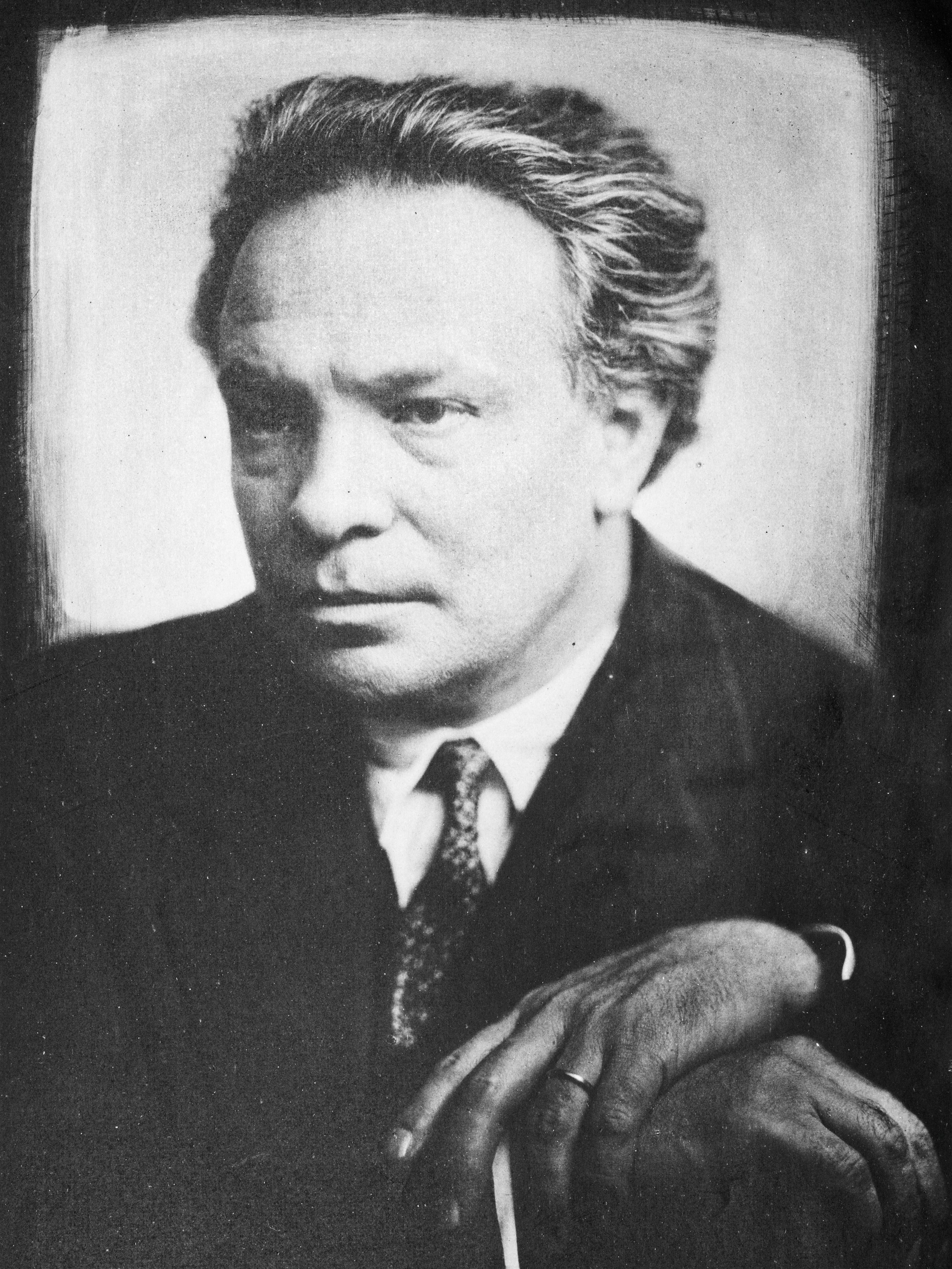
Ottorino Respighi
arr. by Jacco Nefs
Ottorino Respighi (9 July 1879, Bologna, Italy - 18 April 1936) was an Italian composer. He was taught piano and violin in Bologna by his father. He then enrolled at the Liceo Musicale in Bologna, where he studied violin and viola with Federico Sarti, composition with Giuseppe Martucci, and historical studies with Luigi Torchi, a scholar of early music. A year after receiving his diploma in violin in 1899, Respighi went to Russia to be the principal violist in the orchestra of the Russian Imperial Theatre in St. Petersburg during its season of Italian opera. While there, he studied composition for five months with Rimsky-Korsakov.
In 1932, Respighi was elected to the Royal Academy of Italy. Composing numerous chamber, vocal, and orchestral works, as well as operas and ballets, he was an enthusiastic scholar of Italian music of the 16th, 17th, and 18th centuries. Preferring to keep clear of musical traits of the Classical Period, Respighi combined pre-classical melodic styles and musical forms, such as dance suites, with typical late-19th-century romantic harmonies and textures.
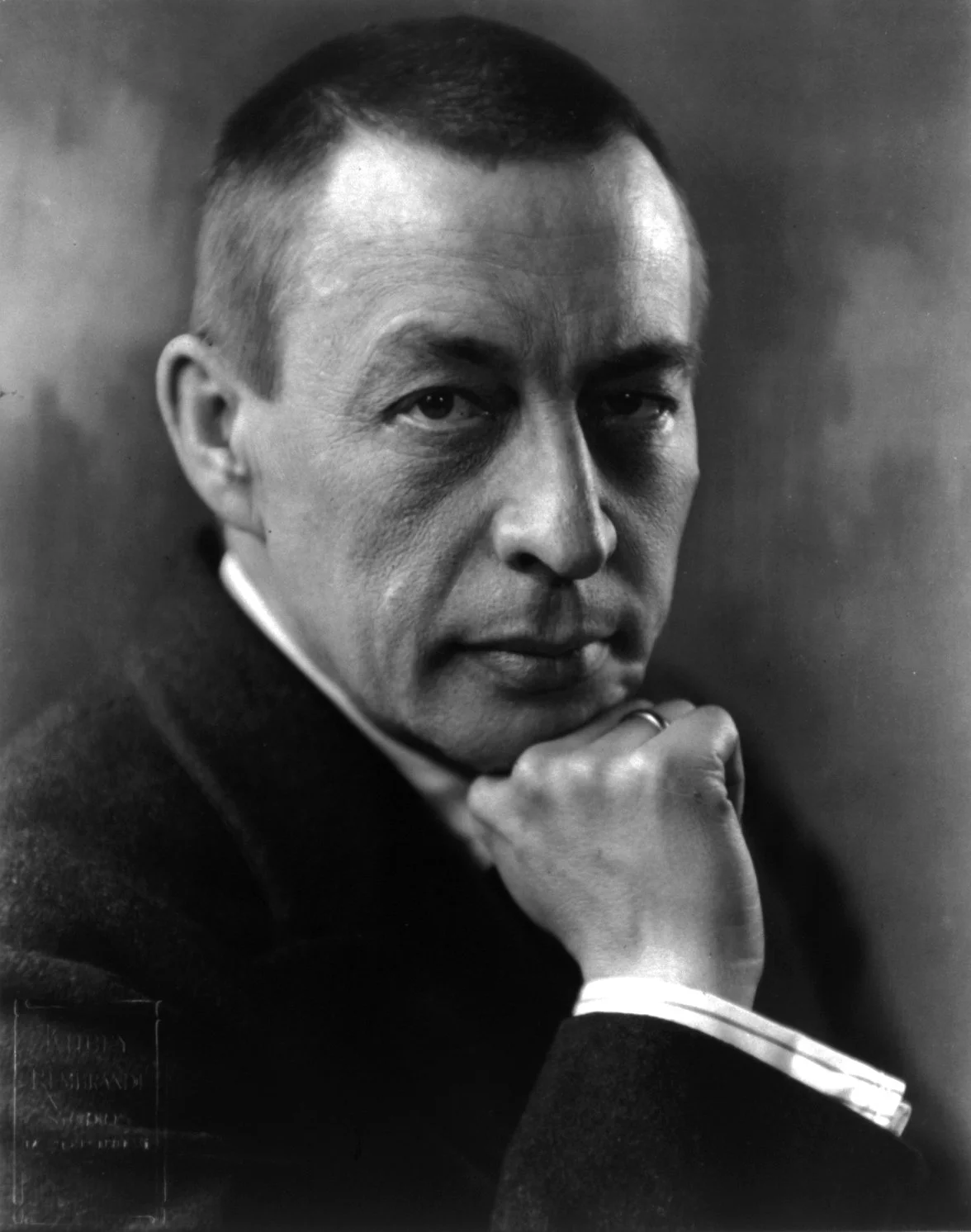
Sergei Rachmaninoff
arr. by Michael Hardy
Sergei Vasilievich Rachmaninoff (1 April [O.S. 20 March] 1873, Semyonovo, Russia – 28 March 1943, Beverly Hills, Calif.) was a Russian composer, pianist, and conductor.
Rachmaninoff is widely considered one of the finest pianists of his day and, as a composer, one of the last great representatives of Romanticism in Russian classical music. Early influences of Tchaikovsky, Rimsky-Korsakov, and other Russian composers gave way to a thoroughly personal idiom that included a pronounced lyricism, expressive breadth, structural ingenuity, and a tonal palette of rich, distinctive orchestral colors. The piano is featured prominently in Rachmaninoff's compositional output. He made a point of using his own skills as a performer to explore fully the expressive possibilities of the instrument. Even in his earliest works, he revealed a sure grasp of idiomatic piano writing and a striking gift for melody.
Following the Russian Revolution of 1917, Rachmaninoff emigrated to the West, first to Scandinavia, then to the United States. Most of the last 25 years of his life were dedicated to concertizing and recording, with the prominent support of Vladimir Horowitz. Rachmaninoff completed only six compositions during this period, mainly at his summer home in Lucerne, Switzerland, of which Rhapsody on a Theme of Paganini is the best known.
Morton Gould
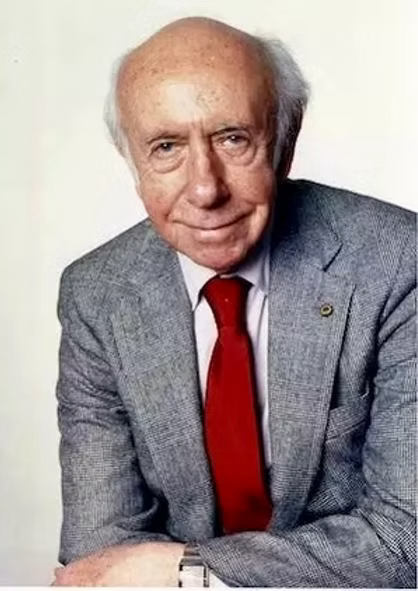
Morton Gould (10 December 1913, Richmond Hill, New York - 21 February 1996, Orlando, Fla.) was an American pianist, composer, conductor, and arranger. Gould was recognized early as a child prodigy with abilities in improvisation and composition. His first composition was published at age six. Gould studied at the Institute of Musical Art, although his most important teachers were Abby Whiteside and Vincent Jones.
During the Depression, Gould, while a teenager, worked in New York City playing piano in movie theaters, as well as with vaudeville acts. When Radio City Music Hall opened, Gould was hired as the staff pianist. By 1935, he was conducting and arranging orchestral programs for New York's WOR radio station, where he reached a national audience via the Mutual Broadcasting System, combining popular programming with classical music.
As a conductor, Gould led all of the major American orchestras as well as those of Canada, Mexico, Europe, Japan, and Australia. With his orchestra, he recorded music of many classical standards, including Gershwin's Rhapsody in Blue on which he also played the piano. He won a Grammy Award in 1966 for his recording of Charles Ives' First Symphony, with the Chicago Symphony Orchestra. In 1983, Gould received the American Symphony Orchestra League's Gold Baton Award. In 1986, he was president of ASCAP, a position he held until 1994. In 1986 he was elected to the American Academy and Institute of Arts and Letters.
Incorporating new styles into his repertoire as they emerged, Gould incorporated wildly disparate elements, including a rapping narrator and a singing fire department into commissions for the Pittsburgh Youth Symphony. In 1993, his work Ghost Waltzes was commissioned for the ninth Van Cliburn International Piano Competition. In 1994, Gould received the Kennedy Center Honor in recognition of lifetime contributions to American culture.
In 1995, Gould was awarded the Pulitzer Prize for Stringmusic, a composition commissioned by the National Symphony Orchestra in recognition of the final season of director Mtislav Rostropovich. In 2005, he was honored with the Grammy Lifetime Achievement Award. He also was a member of the board of the American Symphony Orchestra League and of the National Endowment for the Arts music panel.
John Mackey
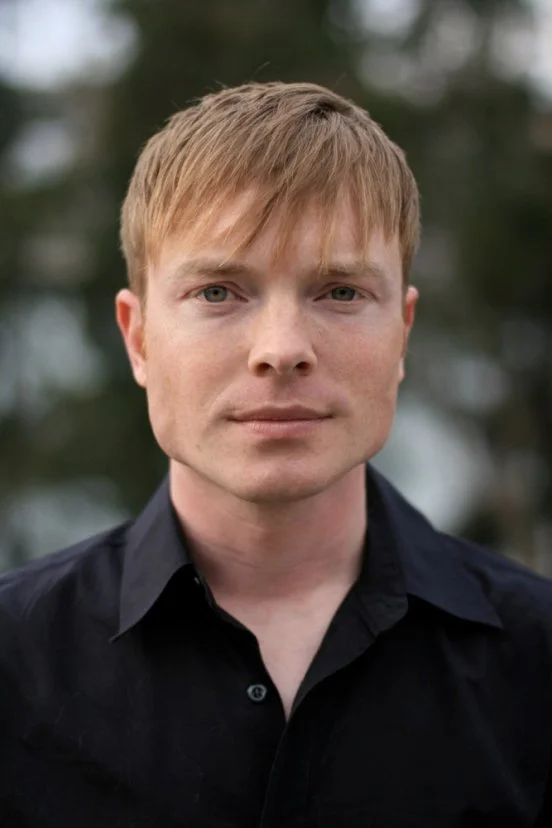
John Mackey (b. 1 October 1973, New Philadelphia, Ohio) is an American composer.
Mackey holds a Master of Music degree from The Juilliard School and a Bachelor of Fine Arts Degree from the Cleveland Institute of Music, where he studied with John Corigliano and Donald Erb, respectively. Mr. Mackey particularly enjoys writing music for dance and for symphonic winds, and he has focused on those media for the past few years.
His works have been performed at the Sydney Opera House; the Brooklyn Academy of Music; Carnegie Hall; the Kennedy Center; Weill Recital Hall; Jacob's Pillow Dance Festival; Italy's Spoleto Festival; Alice Tully Hall; the Joyce Theater; Dance Theater Workshop; and throughout Italy, Chile, Japan, Colombia, Austria, Brazil, Germany, England, Australia, New Zealand, and the United States.
John has received numerous commissions from the Parsons Dance Company, as well as commissions from the Cleveland Orchestra Youth Orchestra, New York City Ballet’s Choreographic Institute, the Dallas Theater Center, the Alvin Ailey Dance Company, the New York Youth Symphony, Ailey 2, Concert Artists Guild, Peridance Ensemble, and Jeanne Ruddy Dance, among many others. Recent and upcoming commissions include works for the concert bands of the SEC Athletic Conference, the American Bandmasters Association, and the Dallas Wind Symphony.
As a frequent collaborator, John has worked with a diverse range of artists, from Doug Varone to David Parsons, from Robert Battle to the U.S. Olympic Synchronized Swim Team. (The team won a bronze medal in the 2004 Athens Olympics performing to Mackey's score Damn.)
John has been recognized with numerous grants and awards from organizations including ASCAP (Concert Music Awards, 1999 through 2006; Morton Gould Young Composer Award, 2002 and 2003), the American Music Center (Margaret Jory Fairbanks Copying Assistance Grant, 2000, 2002), and the Mary Flagler Cary Charitable Trust (Live Music for Dance commissioning grants, 1998, 1999, 2000, and 2005). He was a CalArts/Alpert Award nominee in 2000.
In February 2003, the Brooklyn Philharmonic premiered John’s work Redline Tango at the BAM Opera House, with Kristjan Jarvi conducting. John made a new version of the work for wind ensemble in 2004 -- Mackey's first work for wind band -- and that version has since received over 100 performances worldwide. The wind version won the 2004 Walter Beeler Memorial Composition Prize, and in 2005, the ABA/Ostwald Award from the American Bandmasters Association, making John the youngest composer to receive the honor.
In 2009, John's work Aurora Awakes received both the ABA/Ostwald Award and the NBA William D. Revelli Composition Contest.
John served as a Meet-The-Composer/American Symphony Orchestra League "Music Alive!" Composer In Residence with the Greater Twin Cities Youth Symphony in 2002-2003, and with the Seattle Youth Symphony Orchestra in 2004-2005. He was Composer In Residence at the Vail Valley Music Festival in Vail, Colorado, in the summer of 2004, Composer In Residence at the Cabrillo Festival of Contemporary Music in August 2005. He has held college residencies at Florida State, University of Michigan, Ohio State, Arizona State, University of Southern California, University of Texas, among many others. Mr. Mackey served as music director of the Parsons Dance Company from 1999-2003.
To entertain himself while procrastinating on commissions, John is a photography enthusiast.
James Lord Pierpont
arr by John Wasson
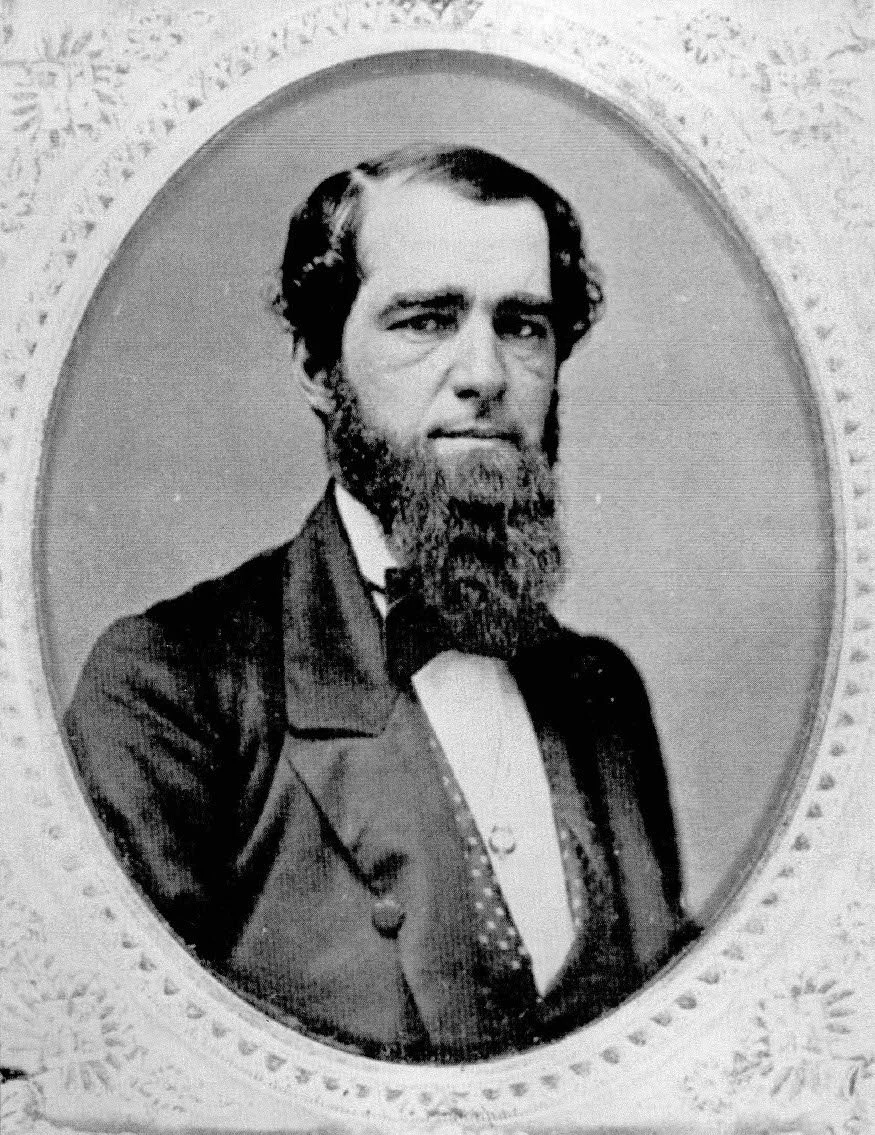
James Lord Pierpont (25 April 1822, Boston - 5 August 1893, Winter Haven, Fla.) was a New England-born songwriter, arranger, organist, and composer, best known for writing and composing Jingle Bells in 1857.
James Lord Pierpont's father, Reverend John Pierpont (1785–1866), was a pastor of the Hollis Street Unitarian Church in Boston. James was the uncle of the financier and banker John Pierpont Morgan. His father Rev. John Pierpont was also an abolitionist and a poet. His mother was Mary Sheldon Lord, the daughter of Lynde Lord, Jr. (1762–1813), and Mary Lyman.
In 1832, James was sent to a boarding school in New Hampshire. He wrote a letter to his mother about riding in a sleigh through the December snow. In 1836, James ran away to sea aboard a whaling ship called The Shark. He then served in the US Navy until the age of 21.
In 1849, James Pierpont left his wife and children with his father in Massachusetts to open a business in San Francisco during the California Gold Rush. He also worked as a photographer. His business failed after his goods burned in a fire.
In 1853, after James’ brother, the Rev. John Pierpont, Jr. (1819–1879), accepted a post with the Savannah, Georgia, Unitarian congregation, James followed, taking a post as the organist and music director of the church. To support himself, he also gave organ and singing lessons.
On March 27, 1852, James Pierpont published his composition The Returned Californian, based on his experiences in San Francisco.
In 1859, the Unitarian Church in Savannah had closed because of its abolitionist position, which was unpopular in the South. By 1860, Rev. John Pierpont, Jr. had returned to the North. James, however, stayed in Savannah with his second wife Eliza Jane, and at the beginning of the Civil War, joined the Lamar Rangers, which became part of the Fifth Georgia Cavalry of the Confederacy. Records indicate that he served as a company clerk. He also wrote music for the Confederacy when it seceded from the Union, including Our Battle Flag, Strike for the South and We Conquer or Die.
After the war, James moved his family to Valdosta, Georgia, then in 1869, Pierpont moved to Quitman, Georgia. There he was the organist in the Presbyterian Church, gave private piano lessons and taught at the Quitman Academy, retiring as the head of the Musical Department.
In 1880, Pierpont's son, Dr. Juriah Pierpont, M.D., renewed the copyright on Jingle Bells, but he never made much money from it. It took considerable effort to keep his father's name permanently attached to the song after the copyright expired.
From 1890 to 1954, Jingle Bells was in the top 25 of the most recorded songs in history, beating out My Old Kentucky Home, The Stars and Stripes Forever, Blue Skies, I Got Rhythm and Georgia on My Mind. In recognition of the universal success of his composition, Pierpont was elected into the Songwriters Hall of Fame in 1970. In 1997, a James Lord Pierpont Music Scholarship Fund was established at Armstrong Atlantic State University in Savannah, Georgia.


